

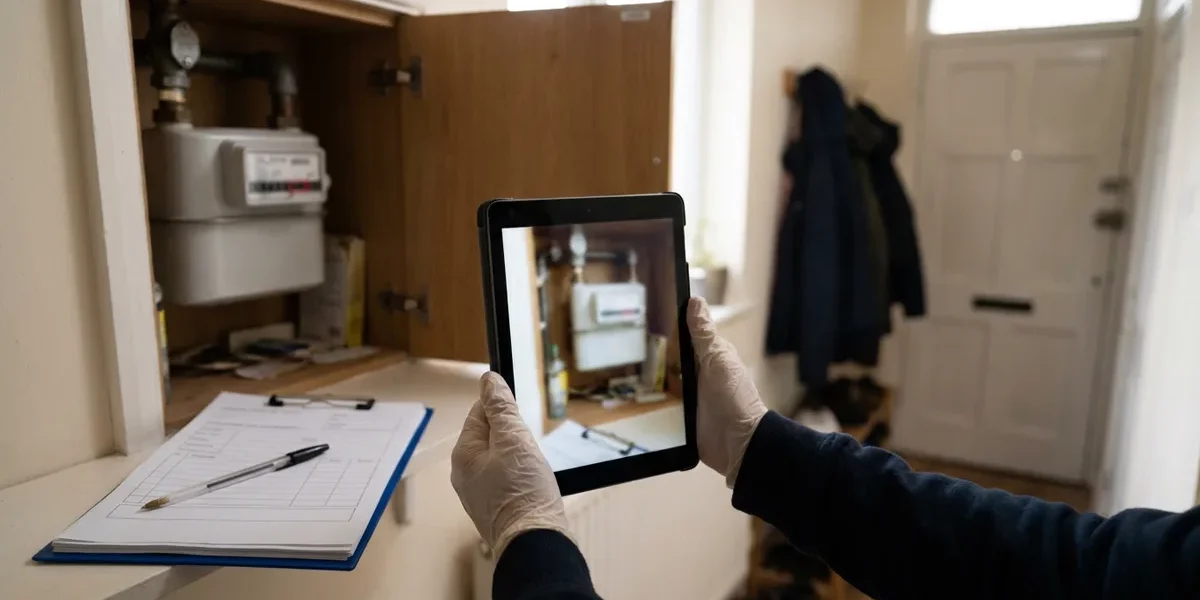
PRS database registration reaches London between 15 July and 14 October 2027. The PRS database is the new government register of private landlords and rented homes in England. Registration means more than a name and an address: landlords will provide evidence of their safety certificates and keep it current. This guide sets out exactly what the PRS database asks for, which documents you will upload, where your inventory fits in, and how to have everything ready before London’s window opens.
What the PRS database is
The Renters’ Rights Act 2025 requires private landlords to register themselves and the homes they let. The government’s service for this is called Register your rental property. Its guidance for landlords, published on 29 October 2026, sets out the dates, the fee and what you will need. Registration is based on where the property is, not where the landlord lives.
When London landlords register on the PRS database
| Region | Registration opens | Registration closes |
|---|---|---|
| West Midlands | 15 December 2026 | 14 March 2027 |
| East of England | 15 January 2027 | 14 April 2027 |
| East Midlands | 15 February 2027 | 14 May 2027 |
| South East | 15 March 2027 | 14 June 2027 |
| Yorkshire and Humberside | 15 April 2027 | 14 July 2027 |
| North West | 15 May 2027 | 14 August 2027 |
| North East | 15 June 2027 | 14 September 2027 |
| London | 15 July 2027 | 14 October 2027 |
| South West | 15 August 2027 | 14 November 2027 |
The annual fee is £65 per property, not subject to VAT, and it is pro-rated during the rollout. There is no charge for the landlord’s own registration or for updating a record.
The safety documents you will upload
For each property, the government asks for evidence of three certificates:
- Gas safety certificate, if the property has a gas supply.
- Electrical safety certificate, which the government’s campaign page describes as a copy of the EICR or EIC with its expiry date.
- Energy Performance Certificate.
You will also give property details, such as the address, the number of bedrooms and whether it is let, a correspondence address in England or Wales, contact details for any managing agent, superior landlord or freeholder, tenancy information including the rent, and any licence such as an HMO licence. You can add the details when you register or within 28 days.
Where your inventory fits in
The PRS database does not ask for an inventory. The government’s guidance lists no inventory or deposit document among the items you provide. That does not make the inventory less important. It remains the evidence that settles deposit disputes and records the condition of the home at check-in, mid-term and check-out, and it is the document that shows the smoke and carbon monoxide alarms and the meters on the day the tenancy started.
A good inventory also helps keep your database record accurate. Our AIIC-accredited clerks note the meter readings, alarm positions and the appliances in each room on the day, so the details you give the database match what is in the property. Our inventory and condition reports and check-out reports follow the same standard.
The 28-day rule after you register
Registration is not a one-off task. The guidance says you must update any information that changes or expires within 28 days of the change or expiry. In practice that means:
- uploading the new gas safety certificate within 28 days of each annual renewal;
- uploading the new EICR when the old one expires or is replaced;
- updating the record when a tenancy ends, a new one starts or the rent changes; and
- updating your own contact details when they change.
A shared calendar of renewal dates, one per property, is the simplest way to stay inside that window.
Penalties for not registering
The government’s guidance sets out three risks:
- a penalty of up to £7,000 for failing to register yourself and your property;
- a penalty of up to £40,000 for knowingly or recklessly giving false or misleading information, or for continuing or repeated breaches of certain requirements; and
- from 15 December 2026, once the registration period for the area has opened, tenants can apply for a rent repayment order in those same cases.
The register is not shown to the public at present, though the government says some information may become viewable in future.
How to get ready before July 2027
- Find the current gas safety certificate, EICR and EPC for every London property, and note each expiry date.
- Renew anything that will expire before or during the London window.
- Gather tenancy details: start date, rent, and who manages the property.
- Have any HMO or selective licence number to hand.
- Book a fresh inventory where the last one is out of date, so the condition record matches the home you are registering.
Frequently asked questions about the PRS database
When do London landlords register on the PRS database?
Between 15 July 2027 and 14 October 2027. Registration opens region by region from 15 December 2026, starting with the West Midlands, and is based on where the property is. London is the eighth region. The annual fee is £65 per property, pro-rated during the rollout and not subject to VAT.
Do I upload my inventory to the PRS database?
No. The government’s guidance asks for evidence of the gas safety certificate, the electrical safety certificate and the EPC, plus property and tenancy details. It does not list an inventory. Your inventory still matters, because it records the condition of the home and settles deposit disputes at the end of the tenancy.
How quickly must I update the PRS database?
Within 28 days. The government’s guidance says any information that changes or expires must be updated within 28 days, including safety certificates and occupancy. Failing to register can lead to a penalty of up to £7,000, and false or misleading information up to £40,000.